7 Reasons Kansas City Homeowners Love Landscape Lighting
From curb appeal and safety to security and home value, here’s why outdoor lighting is one of the smartest investments you can make.
Ever notice how some homes look even better after the sun goes down?
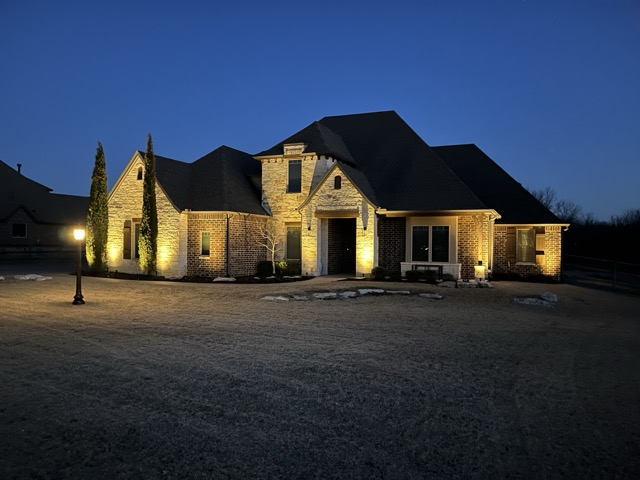 It isn’t always the landscaping itself.
It’s how it’s lit.
As the days get shorter and we head into fall, many homeowners realize they’re only enjoying their outdoor spaces for part of the day. Beautiful landscaping, patios, mature trees, and architectural details simply disappear after sunset.
The good news? Professionally designed landscape lighting can completely transform your home after dark.
At Envision Lawn and Tree, we’re seeing more Kansas City homeowners include landscape lighting as part of both new landscape installations and existing landscape renovations because it’s one of the highest-impact improvements you can make.
Here are seven reasons we think every home should have it.
1. Landscape Lighting Instantly Boosts Curb Appeal
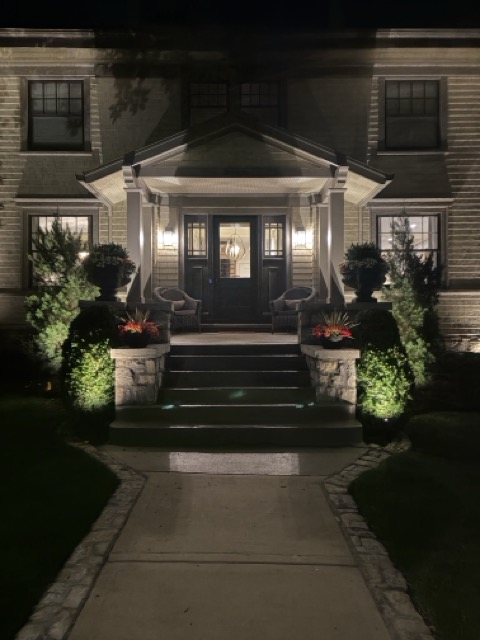 If you’ve invested in your landscaping, why only enjoy it during daylight hours?
Landscape lighting highlights the features that make your property unique—from mature trees and colorful planting beds to natural stone retaining walls, walkways, patios, and your home’s architecture.
Rather than flooding your yard with bright light, today’s landscape lighting uses warm, layered illumination to create depth and draw your eye through the landscape.
The result is elegant, inviting, and timeless.
2. It Makes Your Home Safer
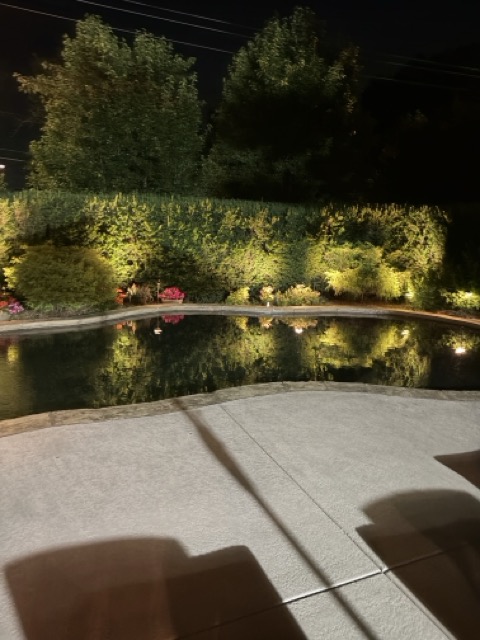 One of the biggest benefits of landscape lighting has nothing to do with appearance.
It’s about safety.
Well-lit walkways, steps, and driveways make it easier for family members and guests to navigate your property after dark while reducing the risk of trips and falls.
We especially recommend lighting around:
- Front walkways
- Steps and elevation changes
- Driveways
- Garden paths
- Patio transitions
This becomes even more important during the fall and winter months when it gets dark much earlier.
3. It Adds an Extra Layer of Security
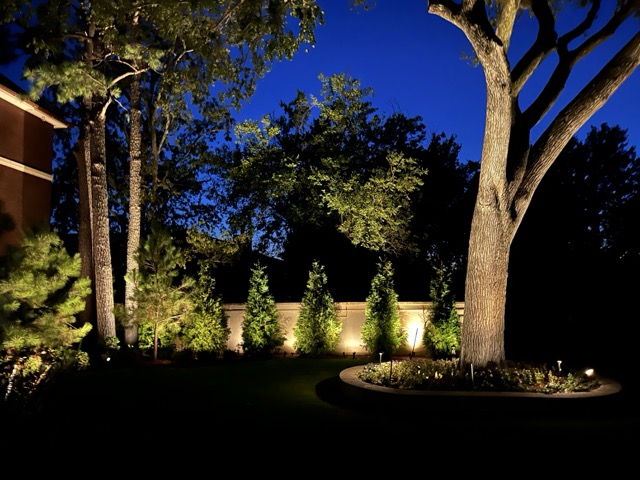 Landscape lighting also helps eliminate dark areas around your home.
Lighting isn’t a replacement for a security system—but it does increase visibility around:
- Entryways
- Side yards
- Garages
- Gates
- Backyard gathering areas
A well-lit property simply feels safer and more welcoming.
4. You’ll Actually Use Your Outdoor Living Space More
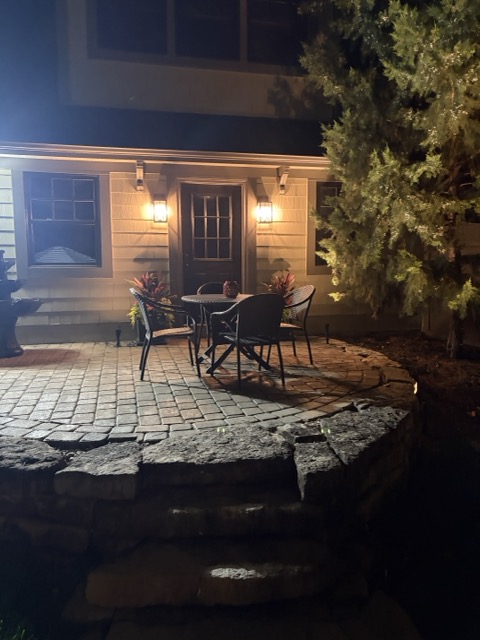 Outdoor living spaces have become one of the biggest landscaping trends over the last several years.
But if your patio disappears after sunset, you’re only getting part of the value from your investment.
Landscape lighting extends the usability of:
- Patios
- Outdoor kitchens
- Fire pits
- Pergolas
- Pools
- Seating areas
Instead of heading inside, your backyard becomes another room to enjoy.
Looking for inspiration? Check out our 2026 Landscape & Hardscape Trends.
5. It Increases the Value of Your Landscape Investment
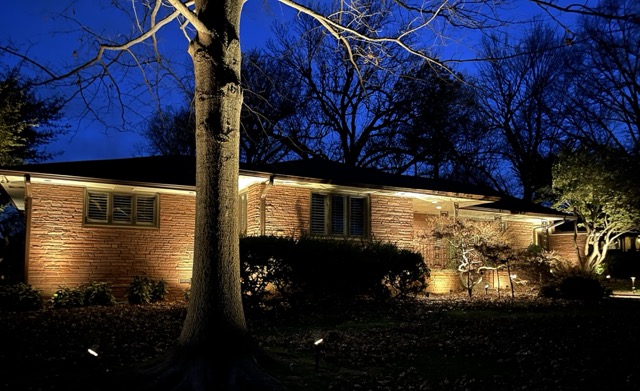 Landscape lighting isn’t just another accessory.
It protects the investment you’ve already made.
Lighting showcases landscape design, hardscaping, specimen trees, water features, and architectural details—making your home look polished every evening of the year.
It’s one of the easiest ways to make an existing landscape feel more luxurious without starting over.
6. Modern LED Lighting Is Efficient and Low Maintenance
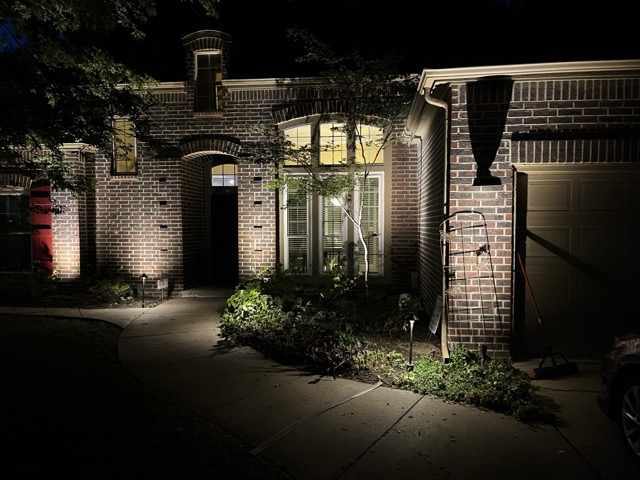 Many homeowners are surprised by how efficient today’s systems are.
Modern LED landscape lighting:
- Uses significantly less energy than older systems
- Has a long lifespan
- Requires very little maintenance
- Produces warm, natural-looking light
- Can often be expanded as your landscape grows
It’s a one-time investment you’ll enjoy for years.
7. The Best Landscape Lighting Looks Natural
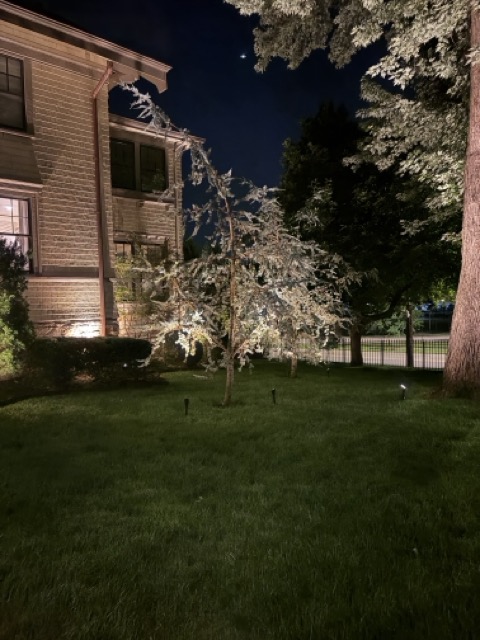 One of the biggest misconceptions about landscape lighting is that brighter is better.
Actually…
The best lighting is the lighting you barely notice.
Instead of trying to light every inch of your property, professional landscape lighting focuses on creating layers.
Some of our favorite techniques include:
Path Lighting
Guides visitors safely while adding curb appeal.
Uplighting
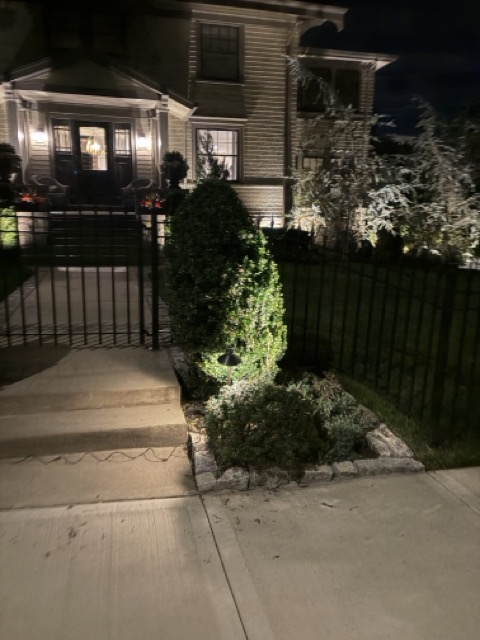 Highlights mature trees, ornamental trees, and your home’s architecture.
Accent Lighting
Draws attention to retaining walls, planting beds, water features, and stonework.
Downlighting
Creates a subtle “moonlight” effect from above.
When done well, the lights disappear—and your landscape becomes the star.
Frequently Asked Questions About Landscape Lighting
Is landscape lighting worth the investment?
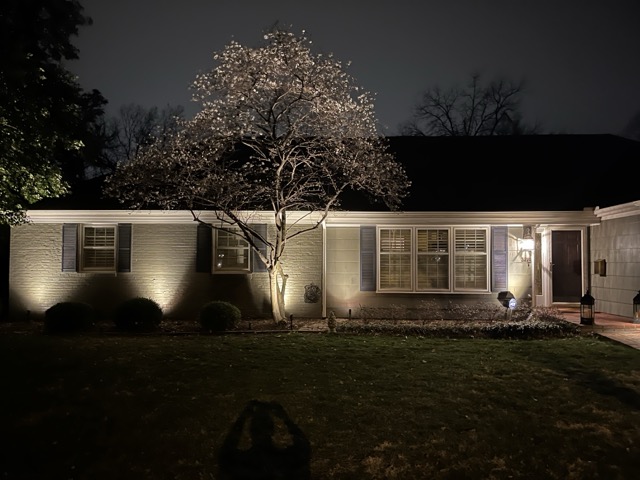 Absolutely. Landscape lighting improves curb appeal, increases safety, enhances security, extends the use of outdoor living spaces, and highlights the landscaping you’ve already invested in.
Does landscape lighting increase home value?
While every property is different, professionally installed landscape lighting often increases perceived value by creating a more polished, high-end appearance and enhancing nighttime curb appeal.
Can landscape lighting be added to an existing landscape?
Yes! In most cases, landscape lighting can be installed in existing landscapes with minimal disruption to your lawn and planting beds.

What color landscape lighting is best?
We almost always recommend warm white lighting (2700K–3000K). It creates a soft, inviting look that complements landscaping and architecture without feeling harsh or overly bright.
See Your Landscape in a Whole New Light
Whether you’re planning a brand-new landscape or looking to enhance one you already love, landscape lighting is one of the highest-impact improvements you can make.
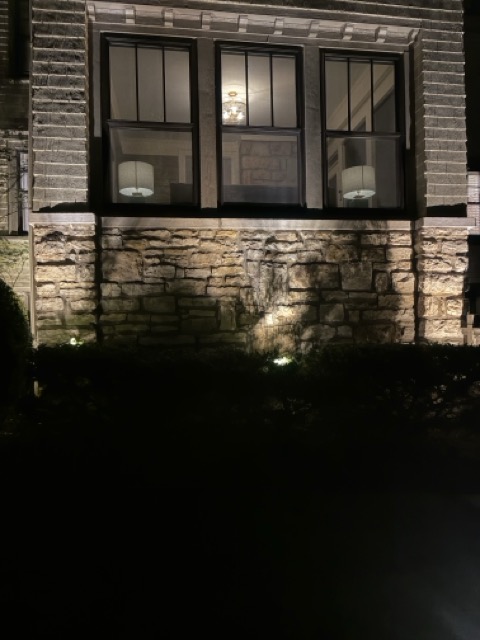 It adds beauty, improves safety, increases security, and allows you to enjoy your outdoor spaces long after the sun goes down.
If you’re ready to see what landscape lighting could do for your home, we’d love to help.
Contact Envision Lawn and Tree today to schedule a consultation.